How to Choose the Best Utilities Trenching Near Dallas County, Texas
Why Choosing the Right Utilities Trenching Contractor Matters More Than Most Property Owners Think
Most homeowners do not spend much time thinking about utility trenching until they suddenly need it.
Maybe you are building a new home. Maybe you are installing water lines, electrical service, septic connections, fiber internet, or drainage systems. Or maybe you are finally fixing a long-term issue on your property that has been causing problems for years.
Either way, you are now in a situation where heavy equipment is about to dig through your property, and that can feel stressful fast.
You start asking yourself questions like:
What if they damage existing utility lines?
What if the trench is not deep enough?
What if drainage problems show up later?
How do I know if the contractor actually knows what they are doing?
What if the cheapest bid ends up becoming the most expensive mistake?
Those are real concerns, and honestly, they should be taken seriously.
At Total Septic, we talk to property owners throughout Collin, Grayson, Dallas, Denton, Rockwall, Fannin, and Hunt Counties who are trying to make smart decisions about excavation and utility work. Many of them have heard stories about damaged gas lines, poor trench grading, failed inspections, or contractors disappearing halfway through projects.
The truth is, utility trenching is one of those jobs where quality matters far more than most people realize.
Done correctly, the work stays hidden underground and quietly performs for years.
Done poorly, it can create expensive problems that affect your property long after the equipment leaves.
What Utilities Trenching Actually Includes
A lot of people hear the word “trenching” and simply picture a machine digging a narrow ditch.
In reality, utility trenching involves much more than that.
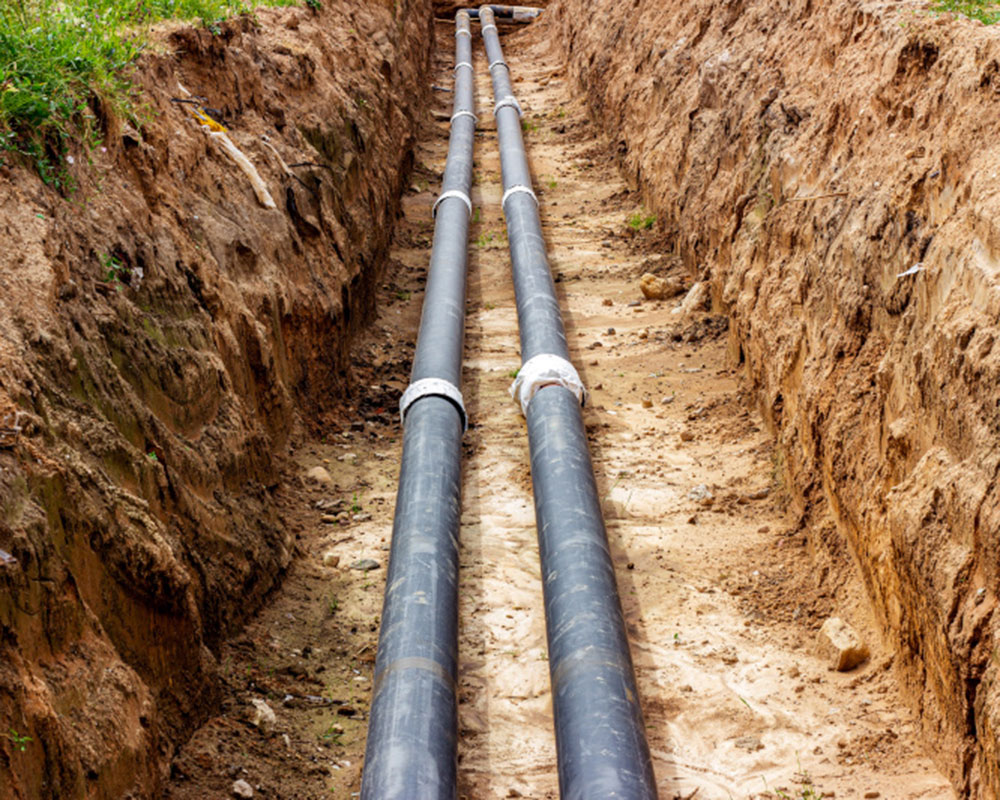
Utility trenching projects may include:
Water line installation
Sewer line trenching
Septic connections
Electrical conduit installation
Gas line trenching
Fiber optic installation
Drainage piping
Irrigation systems
Utility repairs
Underground service upgrades
Reliable contractors also think about things homeowners often do not see immediately, including:
Soil stability
Drainage flow
Trench depth
Utility separation requirements
Safety clearances
Future access needs
Inspection requirements
Good trenching work is about planning, precision, and long-term performance.
The Risks of Hiring the Wrong Utilities Trenching Contractor Near Dallas County, Texas
Hiring the wrong contractor can create serious issues very quickly.
Poor utility trenching can lead to:
Broken utility lines
Water leaks
Drainage problems
Failed inspections
Unsafe trench conditions
Property damage
Expensive future repairs
Soil settling
Utility access issues
Unfortunately, some contractors treat trenching like a simple digging job when it actually requires experience and technical understanding.
This is especially important for Utilities Trenching Near Dallas County, Texas, where expanding developments, clay-heavy soil, underground utility congestion, and changing weather conditions can create unique challenges.
A trench that looks fine today may become a major issue after the first heavy rainstorm if it was not planned correctly.
Why Utilities Trenching Is More Technical Than Most Homeowners Realize
One of the biggest misconceptions about trenching is that it is “easy dirt work.”
But professional trenching involves much more than simply digging.
Contractors need to understand:
Utility placement requirements
Proper trench depth
Slope and drainage
Soil conditions
Equipment safety
Utility separation codes
Inspection requirements
Backfill procedures
For example, trench depth for electrical conduit may differ from sewer or water lines. Some utility systems require specific spacing between lines. Others require protective bedding materials or inspection stages before trenches can be covered.
Reliable trenching contractors understand these details before work even begins.
Key Signs You’re Hiring a Reliable Utilities Trenching Contractor
One of the best indicators of a reliable contractor is how seriously they take the planning process.
Good trenching contractors usually:
Visit the property before quoting
Ask detailed questions
Explain the process clearly
Discuss safety procedures
Understand local codes
Coordinate utility locating
Use proper equipment
Carry insurance
Provide realistic timelines
Communicate honestly
They also do not rush homeowners into quick decisions.
Reliable contractors know that utility trenching affects critical systems on the property, and mistakes underground can become expensive very quickly.
Questions to Ask Before Hiring a Utilities Trenching Company
Homeowners do not need to become excavation experts overnight. But asking the right questions can help avoid major problems.
Some smart questions include:
Have you handled projects similar to mine?
Residential trenching projects can vary greatly depending on the utilities involved.
How will you locate existing utility lines?
This is one of the most important safety steps.
What permits or inspections are required?
Reliable contractors should understand local requirements.
How do you handle drainage concerns?
Poor drainage planning can damage trenches and utility systems later.
What happens if unexpected problems are uncovered?
Experienced contractors prepare for complications instead of improvising under pressure.
Why Local Experience Matters for Utilities Trenching Near Dallas County, Texas
North Texas properties come with their own unique challenges.
Contractors working in this region often deal with:
Expansive clay soil
Sudden rainstorms
Soil movement
Dense utility infrastructure
Rapid residential development
Drainage concerns
Hard-packed ground condition
That is why local experience matters for Utilities Trenching Near Dallas County, Texas.
A contractor familiar with the area understands how these conditions affect trench stability, utility installation, water movement, and long-term system performance.
That kind of experience can prevent expensive mistakes later.
How Soil Conditions in North Texas Affect Utility Trenching Projects
Soil plays a much bigger role in trenching than most people realize.
Clay-heavy soil, common throughout much of North Texas, expands when wet and shrinks during dry periods.
That movement can affect:
Utility lines
Drainage pipes
Trench stability
Backfill settling
Long-term performance
Reliable contractors understand how to properly prepare trenches and compact backfill to help reduce future shifting problems.
Ignoring soil conditions may create utility failures months or even years later.
The Importance of Utility Line Locating and Safety Procedures
One of the most dangerous mistakes during trenching is hitting an existing utility line.
Damaging underground gas, electrical, water, or communication lines can create:
Safety hazards
Service outages
Expensive repair bills
Project delays
Serious legal liability
Professional trenching contractors take utility locating very seriously.
They coordinate line marking services, verify utility locations, and dig carefully around sensitive areas.
Safety is not optional during utility trenching.
What Can Go Wrong During Poorly Planned Trenching Projects
Bad trenching work can create problems that homeowners may not notice immediately.
Some common issues include:
Improper trench depth
Poor drainage flow
Utility line sagging
Weak backfill compaction
Standing water
Soil erosion
Utility line exposure
Surface sinking later
Unfortunately, some contractors move too quickly and focus only on finishing the job instead of protecting the property long term.
That usually catches up with homeowners eventually.
How Proper Equipment Impacts the Quality of Utility Trenching Work
The right equipment matters more than many homeowners realize.
Reliable trenching contractors invest in:
Proper trenching machinery
Specialized attachments
Safety equipment
Compact excavation tools
Precision grading equipment
Using the wrong equipment can create unnecessary property damage, oversized trenches, unstable soil conditions, or poor utility placement
Skilled operators also matter just as much as the equipment itself.
An experienced operator understands precision, safety, and efficiency.
Why Drainage Planning Matters During Utilities Trenching
Water is one of the biggest threats to underground utility systems.
If trenches are poorly planned, they can accidentally collect water or redirect runoff toward structures, septic systems, or foundations.
Reliable contractors pay close attention to:
Water flow patterns
Elevation changes
Surface runoff
Drainage slopes
Soil saturation risks
At Total Septic, we often see drainage problems connected directly to poorly planned excavation and trenching work.
That is why drainage should never be treated like an afterthought
Warning Signs That a Utility Trenching Contractor May Be Cutting Corners
There are several warning signs homeowners should take seriously.
Be cautious if a contractor:
Gives pricing without seeing the property
Avoids discussing permits
Refuses to explain the process
Offers unusually low pricing
Ignores drainage concerns
Has poor communication
Lacks insurance
Rushes utility locating procedures
Pushes for quick payment
Cheap trenching work often becomes expensive repair work later.
What Permits and Inspections Mean for Utilities Trenching Projects
Many utility trenching projects involve inspections and permit requirements.
Depending on the project, permits may apply to:
Sewer connections
Electrical installation
Septic systems
Gas lines
Water service
Drainage systems
Reliable contractors understand these requirements and help homeowners avoid compliance problems.
Skipping permits may save time upfront, but it can create major legal and financial issues later if systems fail inspection or violate local codes.
How to Compare Utilities Trenching Estimates the Right Way
Not all trenching estimates include the same level of work.
One contractor may include:
Utility locating
Backfill compaction
Cleanup
Drainage planning
Inspection coordination
Another contractor may leave those items out entirely.
That is why comparing only the final price can be misleading.
Homeowners should compare:
Scope of work
Equipment included
Safety procedures
Drainage planning
Cleanup expectations
Inspection responsibilities
Utility locating procedures
Timeline expectations
The goal is not finding the cheapest contractor.
The goal is finding the contractor who protects your property long term.
Cheap Utilities Trenching vs Quality Utility Installation
Low pricing can be tempting, especially during expensive construction projects.
But cheap trenching often creates larger costs later through:
Utility repairs
Water damage
Soil settling
Failed inspections
Re-digging trenches
Drainage correction
Service interruptions
Reliable contractors focus on long-term performance, not simply finishing the job quickly.
That approach usually saves homeowners money over time.
What Homeowners Should Expect During a Utility Trenching Project
A professional trenching contractor should explain the process clearly before work begins.
Most projects include:
Site evaluation
Utility locating
Permit coordination
Trench layout planning
Excavation work
Utility installation
Backfill and compaction
Cleanup and final grading
Reliable contractors also explain possible delays caused by weather, inspections, or underground surprises.
That kind of communication matters.
How Reliable Contractors Customize Utilities Trenching for Different Properties
Every property is different.
Some have steep slopes. Others have tight access, heavy clay soil, drainage issues, or crowded underground utilities.
Reliable contractors customize their trenching approach based on:
Property layout
Soil conditions
Utility type
Drainage concerns
Construction plans
Access limitations
At Total Septic, customization matters because no two trenching projects are exactly alike.
That attention to detail helps prevent costly issues later.
The Long-Term Impact of Proper Utilities Trenching on Your Property
Good trenching work supports the long-term health of the entire property.
It can affect:
Drainage performance
Utility reliability
Soil stability
Future construction
Septic system function
Foundation protection
Property value
Proper Utilities Trenching Near Dallas County, Texas helps create infrastructure that performs reliably for years instead of creating ongoing headaches.
Why Communication Matters During Utilities Trenching Projects
Many homeowners feel frustrated when contractors stop communicating during projects.
Reliable trenching contractors understand that communication builds trust.
That includes:
Clear timelines
Honest updates
Transparent pricing
Fast responses
Explaining unexpected issues
Setting realistic expectations
Construction projects are stressful enough already. Good communication makes the process far easier for homeowners.
What Separates Great Utilities Trenching Contractors From Average Ones
The best trenching contractors focus on more than simply digging
They focus on:
Planning
Safety
Drainage
Soil conditions
Precision
Communication
Long-term reliability
A reliable contractor understands that utility trenching affects the entire property, not just the trench itself.
That mindset makes a huge difference in the final result.
