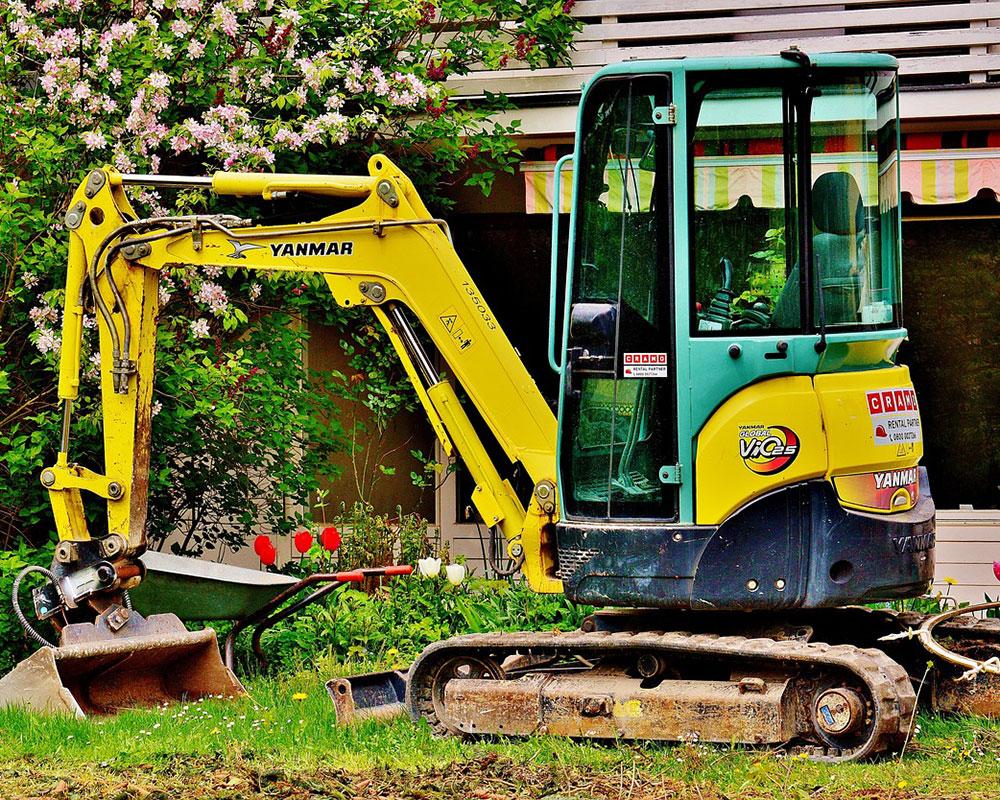
How to Spot a Reliable Residential Excavation Contractor Near Dallas County, Texas
Why Choosing the Right Residential Excavation Contractor Matters More Than Most Homeowners Realize
If you are planning to build a home, install a septic system, fix drainage issues, clear land, or prepare property for construction, you have probably realized something very quickly:
Most people know almost nothing about excavation until they suddenly need it.
And honestly, that can feel stressful.
You are expected to make major decisions about your property, your money, and your future without always knowing who you can trust. One contractor gives you a low quote. Another promises they can “start tomorrow.” Someone else tells you permits are unnecessary. Online reviews all start sounding the same after a while.
Meanwhile, you are sitting there wondering:
Are they actually qualified?
Will they damage my property?
Are they cutting corners?
Will this become a massive problem later?
Am I about to spend thousands fixing someone else’s mistakes?
Those concerns are completely valid.
At Total Septic, we talk to homeowners across Collin, Grayson, Dallas, Denton, Rockwall, Fannin, and Hunt Counties who feel overwhelmed trying to choose the right contractor for excavation work. Many have already heard horror stories from neighbors or family members about bad grading, drainage problems, destroyed yards, cracked foundations, or projects that went way over budget.
The truth is, excavation is one of the most important parts of any construction project. If it is done incorrectly, the problems may not show up immediately. Sometimes they appear months or even years later.
That is why learning how to spot a reliable excavation contractor matters so much.
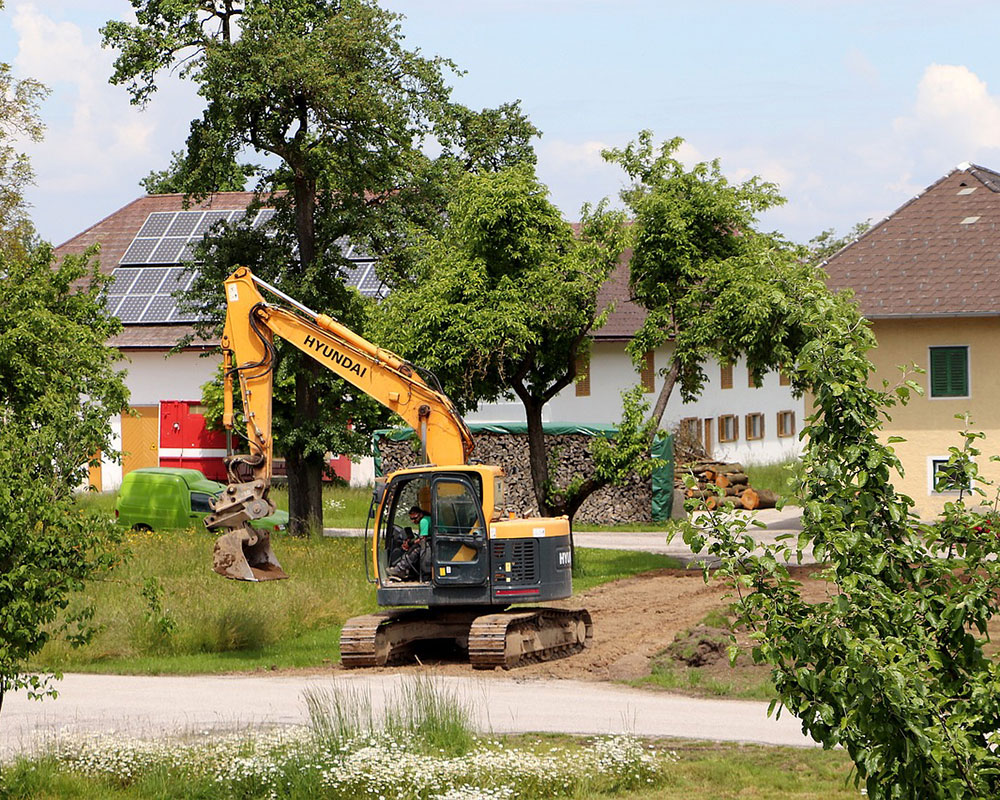
The Risks of Hiring the Wrong Excavation Contractor Near Dallas County, Texas
Excavation may look simple from the outside. Big machines move dirt around, trenches get dug, and the property starts changing shape.
But underneath all of that is a lot of technical work
A poor excavation job can create serious issues like:
Drainage failures
Foundation settling
Soil erosion
Standing water
Septic system problems
Unsafe slopes
Damaged utilities
Expensive repairs later
Unfortunately, some contractors focus more on speed than quality. Others may lack experience with Texas soil conditions, grading requirements, or local permitting processes.
This is especially important when it comes to Residential Excavation Near Dallas County, Texas, where expanding neighborhoods, clay-heavy soil, changing weather, and drainage concerns can create challenges that inexperienced contractors may not fully understand.
A cheap price may sound attractive in the beginning, but poor excavation work often becomes one of the most expensive mistakes a homeowner can make.
What a Professional Residential Excavation Contractor Actually Does
A lot of homeowners think excavation simply means digging.
In reality, professional excavation involves planning, engineering awareness, drainage understanding, utility safety, and careful site preparation.
Depending on the project, an excavation contractor may handle:
Land clearing
Site preparation
Foundation excavation
Grading and leveling
Septic system excavation
Utility trenching
Drainage correction
Soil movement
Demolition preparation
Driveway preparation
Reliable contractors also think ahead.
They ask questions like:
Where will water flow after rain?
Is the soil stable?
Are there buried utilities nearby?
Will this grading create future erosion?
How will this impact future construction?
Good excavation is not just about today’s project. It is about protecting the property long term.
Key Signs You’re Working With a Reliable Excavation Company
One of the easiest ways to spot a reliable contractor is by how they communicate from the very beginning.
Reliable excavation contractors usually:
Ask detailed questions
Visit the property before quoting
Explain the process clearly
Discuss drainage concerns
Talk honestly about challenges
Provide realistic timelines
Carry insurance
Understand permits and regulations
Use professional equipment
Prioritize safety
They also do not pressure homeowners into rushed decisions.
A trustworthy contractor understands that excavation work is a major investment.
If someone avoids questions, refuses to explain their process, or promises everything will be “easy,” that should raise concerns.
Questions Every Homeowner Should Ask Before Hiring an Excavation Contractor
You do not need to become an excavation expert overnight. But asking the right questions can help you avoid major problems.
Some important questions include:
How much experience do you have with projects like mine?
Not all excavation projects are the same. Residential work requires a different approach than commercial work.
Are you familiar with local soil conditions?
Texas soil can shift, crack, expand, and hold water differently depending on the area.
What drainage concerns do you see on this property?
Reliable contractors pay close attention to water movement.
Will permits be required?
Experienced contractors should understand local regulations and inspections.
What happens if unexpected problems appear?
Excavation projects sometimes uncover buried debris, unstable soil, or utility conflicts.
A professional contractor prepares for those situations instead of panicking when they happen.
Why Local Experience Matters for Residential Excavation Near Dallas County, Texas
Every area has unique conditions
In North Texas, contractors often deal with:
Expansive clay soil
Sudden heavy rainstorms
Drainage challenges
Tight residential lots
Growing suburban developments
Utility congestion
Erosion concerns
That is why local experience matters so much for Residential Excavation Near Dallas County, Texas.
Contractors who regularly work in the area understand how local conditions affect excavation work. They know how to grade properties properly, prepare for drainage issues, and avoid common mistakes that can create future problems.
This kind of experience is difficult to fake.
The Importance of Proper Equipment and Skilled Operators
Homeowners sometimes focus only on price without considering the equipment being used.
But excavation quality often depends heavily on both machinery and operator experience.
Reliable contractors invest in:
Well-maintained equipment
Proper machine sizes
Safety systems
Skilled operators
Efficient excavation methods
An inexperienced operator can damage trees, utilities, driveways, or nearby structures very quickly.
Good operators understand precision. They know how to shape land correctly, manage slopes safely, and work efficiently without creating unnecessary damage.
How Reliable Excavation Contractors Handle Drainage and Soil Problems
Water is one of the biggest threats to any property.
A contractor who ignores drainage can accidentally direct water toward your home, foundation, driveway, or septic system.
Reliable excavation contractors pay close attention to:
Water runoff
Elevation changes
Soil stability
Drainage paths
Erosion prevention
At Total Septic, we often see situations where previous grading work actually created new water problems instead of solving old ones.
That is why drainage planning should never be treated like an afterthought.
Warning Signs That an Excavation Contractor May Cut Corner
There are certain red flags homeowners should never ignore.
Be cautious if a contractor:
Gives a quote without seeing the property
Avoids discussing permits
Refuses to provide insurance information
Offers unusually low pricing
Pushes for immediate payment
Cannot explain the process clearly
Ignores drainage concerns
Has inconsistent communication
Makes unrealistic promises
A low price can sometimes mean corners are being cut somewhere.
And with excavation, hidden mistakes underground can become expensive surprises later.
What Permits and Regulations Mean for Residential Excavation Projects
Many homeowners do not realize how many excavation projects involve permits, inspections, or utility regulations.
Depending on the work, projects may require approval for:
Septic systems
Grading
Utility trenching
Drainage modifications
Land disturbance
Construction preparation
Reliable contractors understand these requirements and help homeowners navigate the process.
Trying to skip permits may save time upfront, but it can create major legal and financial issues later if the work fails inspection or violates local regulations.
Why Communication Can Make or Break an Excavation Project
One of the biggest complaints homeowners have about contractors is poor communication.
They feel ignored.
Calls go unanswered.
Timelines change without explanation.
Costs suddenly increase.
Reliable contractors understand that communication builds trust.
Good communication includes:
Honest updates
Clear expectations
Realistic timelines
Transparent pricing
Fast responses to questions
Explaining problems before they grow
Excavation projects already feel stressful enough for homeowners. Clear communication helps reduce that stress significantly.
How to Compare Residential Excavation Estimates the Right Way
Not all excavation estimates are equal.
One contractor may include grading, cleanup, drainage work, and hauling. Another may leave those items out completely.
That is why comparing only the final price can be misleading.
Homeowners should compare:
Scope of work
Equipment included
Drainage planning
Material handling
Cleanup expectations
Permit responsibilities
Timeline expectations
Insurance coverage
The goal is not simply finding the cheapest contractor.
The goal is finding the contractor who provides the best long-term value.
The Difference Between Cheap Excavation and Valuable Excavation Work
Cheap excavation often becomes expensive excavation later.
That is not marketing hype. It happens constantly.
Poor excavation work may lead to:
Regrading costs
Foundation issues
Drainage repairs
Property damage
Failed inspections
Septic failures
Erosion correction
Reliable contractors focus on doing the job correctly the first time.
That usually saves homeowners far more money long term.
What Homeowners Should Expect During the Residential Excavation Process
Good excavation contractors help homeowners understand what the process will actually look like.
Most projects involve:
Site evaluation
Planning and measurements
Utility locating
Permit coordination
Excavation work
Grading and shaping
Cleanup and final adjustments
Reliable contractors also explain possible delays related to weather, soil conditions, inspections, or utility conflicts.
That level of transparency matters.
How Reliable Contractors Customize Excavation Services for Different Properties
No two properties are identical.
Some lots have drainage issues. Others have tight access, steep slopes, rocky ground, or unstable soil.
At Total Septic, customization matters because every property brings different challenges and goals.
Reliable contractors adapt their approach based on:
Property layout
Soil conditions
Water movement
Construction plans
Access limitations
Long-term property use
That attention to detail helps prevent future headaches for homeowners.
The Long-Term Impact of Proper Residential Excavation on Your Property
Excavation affects more than just construction.
It can impact:
Property drainage
Foundation stability
Yard usability
Septic performance
Future landscaping
Water runoff
Structural longevity
That is why quality excavation work matters so much for homeowners investing in their property long term.
Proper Residential Excavation Near Dallas County, Texas can help protect your home, improve functionality, and reduce future maintenance problems.
Common Residential Excavation Mistakes Homeowners Wish They Had Avoided
Many homeowners only realize the importance of excavation after problems appear.
Some common regrets include:
Choosing the cheapest contractor
Ignoring drainage concerns
Rushing the project
Skipping permits
Not checking insurance
Failing to ask questions
Hiring inexperienced operators
Most of these problems can be avoided simply by slowing down and choosing a contractor carefully.
Why Trust Matters When Hiring a Residential Excavation Contractor
Excavation projects require homeowners to place a huge amount of trust in a contractor.
You are trusting someone with your land, your investment, your timeline, and often your future home.
That trust should be earned through:
Experience
Communication
Transparency
Professionalism
Attention to detail
Honest recommendations
A reliable contractor does not simply move dirt.
They help create a stable foundation for everything that comes next.
