Homeowner’s Guide to Septic Inspections Near Collin County, TX
Who This Guide Helps: Collin County Homeowners on Septic
If you live in or near McKinney, Plano, Frisco, Allen, or any town in Collin County and your home uses a septic system, this guide is for you. Maybe you just moved from a city sewer area and feel unsure about what a septic inspection is. Maybe you are seeing slow drains and worry about an expensive repair. Or you are buying or selling a home and want to avoid surprises at closing. We get it. At Total Septic in Aubrey, Texas, we work with homeowners who want straight answers, simple steps, and a clear plan. Our job is to protect your home, your yard, and your wallet. This guide shows you how.
Septic Inspection Explained: What It Is (and What It Isn’t)
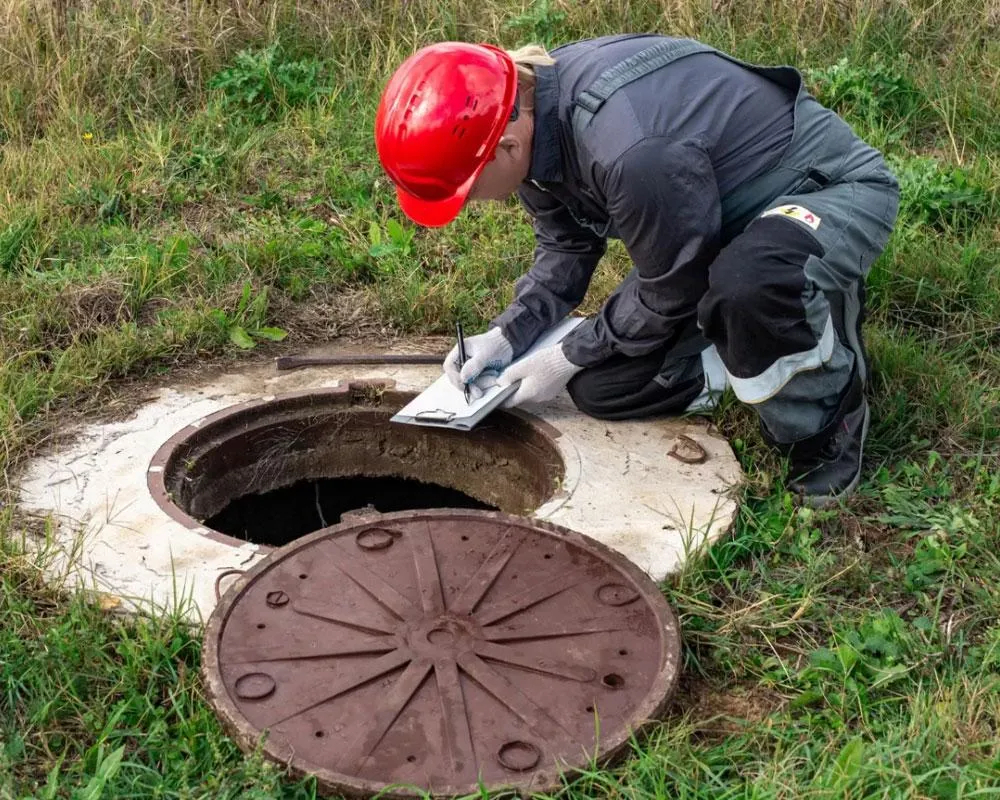
A septic inspection is a health check for your whole system. It looks at how wastewater moves from the house, through the tank, and out to the drain field. The goal is to spot problems early, confirm the system is working as designed, and give you a list of fixes if needed.
What it is:
A structured look at parts you can see and parts you cannot
Tests that show flow, levels, and condition
A report with photos, notes, and next steps
What it is not:
It is not the same as pumping, though pumping may be recommended
It is not a guess based only on one symptom
It is not a quick glance at the tank lid and a thumbs up
Do I Need a Septic Inspection Near Collin County, Texas? Signs and Triggers
You need an inspection when:
You notice slow drains, gurgling, or frequent clogs
You smell sewage near the tank or drain field
You see wet spots or bright green grass over the field during dry weeks
You have not had an inspection in the last year
You plan to buy or sell a home with a septic system
You added bedrooms, finished a basement, or put in a backyard office
You hosted a big party or had holiday guests and want to make sure the system kept up
A simple rule helps. If you are wondering whether it is time to check the system, it is time.
How Often to Schedule a Septic Inspection in North Texas
In our climate, once a year is smart for most homes. If you have a larger family, a rental, or a property that had issues in the past, you may benefit from a check every 6 to 12 months. Septic tanks usually need pumping every 2 to 4 years depending on tank size and household use. Inspections help you pick the right pumping schedule instead of guessing.
What’s Included in a Professional Septic Inspection
Here is our step-by-step checklist at Total Septic:
Conversation and history
We ask about the age of the system, recent work, water use, and any symptoms.Site walk
We locate the tank, lids, cleanouts, and the edges of the drain field. We look for wet spots, settlement, or vehicle damage.Flow test
We run water in the home to see how it travels to the tank. We watch for backups at the cleanout.Tank assessment
We open access lids when possible, check liquid levels, measure sludge and scum, look at baffles or tees, and check the condition of the tank walls.Component checks
If you have a pump tank, aerator, or advanced treatment unit, we test alarms, floats, and power. We confirm filters are present and cleanable.Distribution and field review
We check distribution boxes and the general condition of the drain field area. For pressure systems, we test pressures if access allows.Camera inspection (when needed)
We push a camera through lines to look for dips, roots, cracks, or grease buildup.Report and plan
You get a written report with photos, practical advice, and a clear action list. We explain each item in plain language.
Camera Inspection vs. Visual Inspection: Which Do You Need and Why
A visual inspection covers what we can see and measure from access points. A camera inspection goes inside the pipes and shows problems that hide underground. If you have recurring clogs, weird odors, or a history of backups, a camera pays for itself by finding the exact cause. For real estate deals, a camera can protect both buyer and seller by removing guesswork.
Septic Inspection vs. Pumping: Order, Timing, and Best Practice
Think of the inspection as the doctor visit and pumping as a treatment. We usually inspect first to measure sludge and scum. If the tank needs pumping, we either schedule it right away or coordinate with your preferred pumper. After pumping, we can recheck certain parts for a clean view. This approach saves money by making sure you are not pumping too often or too late.
Real Estate Septic Inspections for Buyers and Sellers
For buyers
You would not skip a home inspection for the roof. Treat the septic system the same way. A proper septic inspection can uncover failing baffles, a cracked lid, saturated lines, or an undersized system for the bedroom count. Knowing this before closing gives you leverage to plan repairs or adjust the price.
For sellers
An inspection before listing builds trust. It helps you fix small items that might scare buyers. It also speeds up closing since the report and any repairs are ready to share.
Septic Inspection Cost Near McKinney, Plano, Frisco, and Allen
Prices vary based on system type, access, and whether a camera is needed. We keep pricing simple and explain it up front. What matters most is value. A good inspection can prevent drain field failure, which is far more costly than the inspection itself. If you need a quote, we give it in writing and stick to it.
What affects cost:
Depth of tank lids and ease of access
Need for digging to expose lids
System type and complexity
Camera time and report needs
Travel time in outlying areas
Common Problems We Find in Collin County and How We Fix Them
Too much sludge and scum
Fix: Pump the tank and set a right-sized schedule.Broken or missing baffles
Fix: Replace with modern tees or baffles to protect the field from solids.Roots in lines
Fix: Remove roots, clean lines, and suggest root control steps and planting tips.Grease buildup
Fix: Jet or clean lines and coach on kitchen habits like scraping plates and not pouring oil in the sink.High effluent level
Fix: Check outlet filters, floats, and pumps. Repair or replace failed parts. Rebalance distribution if needed.Compacted or soaked drain field
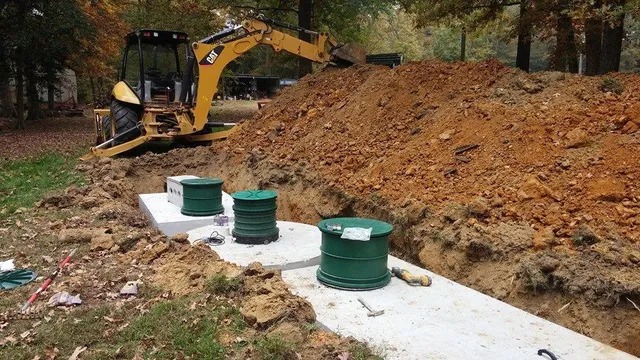
Fix: Reduce loading, redirect roof and surface water, repair distribution issues, and in some cases rebuild or add relief options.Damaged lids or risers
Fix: Replace for safety and easier future access.
Texas Rules: Who Can Inspect and What Codes Expect
Septic systems in Texas follow state and local rules to protect water quality and public health. That means trained and licensed professionals should inspect, repair, and install systems. We keep our work aligned with the rules, pull any required permits for repairs that need them, and document what we do. You get a clear record that helps with future sales or refinancing.
What to Do If Your System Fails the Inspection
Do not panic. Here is the simple path we guide you through:
We show you exactly what failed and why.
We separate urgent items from “fix soon” items.
We give options with pros and cons, not just one choice.
We provide a clear estimate and timeline.
We perform the work or coordinate with trusted partners if specialty work is required.
We retest what makes sense to confirm the fix.
Most failures can be handled in steps. Many can be solved without replacing the whole system.
Seasonal Tips for North Texas: Rainy Weeks, Drought, and Holidays
After heavy rain
Watch the drain field for pooling. Spread out laundry loads. Keep roof and yard drainage away from the field.During drought
The soil can shrink and shift. Be gentle with heavy irrigation changes. Maintain steady water use to avoid big swings.Holiday hosting
Space out showers and laundry. Use the dishwasher at off times. Remind guests not to flush wipes, feminine products, or paper towels.Mowing and yard care
Keep grass over the field. Avoid deep-rooted trees and heavy landscaping on top of lines.Vehicles and structures
Never park, store boats, or build sheds over the tank or field. Weight crushes lines and shortens the life of your system.
How Total Septic Customizes Your Inspection
We serve Collin, Grayson, Dallas, Denton, Rockwall, Fannin, and Hunt Counties. Homes in each area have unique soil types and system styles. We tailor the inspection to your setup, your family size, and your routine.
What “custom” means for you:
We locate and expose lids the smart way to save you time later
We adjust tests based on system type and age
We bring camera gear when history suggests hidden issues
We explain findings in simple terms and answer every question
We build a service plan that fits your home and budget, not someone else’s
How to Prep for Your Appointment: A 15-Minute Homeowner Checklist
Clear access to tank lids, cleanouts, and electrical panels
Know where your sprinkler lines, dog fences, or other buried wires are
Delay laundry and heavy water use for two hours before we arrive
Keep pets secured
Have any past reports or repair notes handy
Make a short list of symptoms or dates you noticed changes
This small prep helps us work faster and gives you a better report.
FAQs: Answers to the Most-Asked Questions
How long does an inspection take?
Most take 60 to 120 minutes. Complex systems can take longer, especially if we use a camera.
Will you need to dig?
If risers and lids are buried, yes. We keep the dig small and clean, and we can install risers so the next visit is easier.
Do I need to be home?
It helps. We may need to run water, test toilets, and review the report with you.
Do inspections include pumping?
No. We inspect first. If pumping is needed, we schedule it and can recheck key items afterward.
Can you pass or fail my system for a home sale?
We give a professional condition report. Lenders, title companies, and local rules may have their own forms. We help you meet those needs.
How do I make my system last longer?
Pump on schedule. Never flush wipes. Keep grease out of the sink. Keep vehicles and trees off the field. Fix small problems early.
Ready to Book? Schedule Your Septic Inspection in Collin County, Texas
You want peace of mind. You want to know your home is safe and your system is doing its job. That is why we do what we do. At Total Septic, we bring a careful process, the right tools, and clear communication. Whether you are in McKinney, Plano, Frisco, Allen, Princeton, or a rural part of Collin County, we are ready to help. Tell us your concerns, your timeline, and your budget. We will tailor the inspection to fit your needs and give you a clear plan you can trust.
Call Total Septic in Aubrey, Texas to schedule your inspection today.
Collin, Grayson, Dallas, Denton, Rockwall, Fannin, and Hunt Counties. We have you covered.
Quick Recap
Inspections find problems early and save big repairs later
Annual checks fit most homes in North Texas
Camera work is best for repeat clogs and real estate peace of mind
We give simple reports with photos and clear next steps
Custom plans match your home, your soil, and your family
When you are ready, we are ready. Let’s protect your home from the ground down.
